Before visiting remote Himalayan villages in India, plan for changing mountain weather, limited transport, basic local facilities and the effects of high altitude. Research the best season for your chosen region, allow time to acclimatise, arrange reliable accommodation and carry essential medicines, warm layers and cash. Just as importantly, respect local customs, ask permission before photographing residents and travel at a pace that allows you to experience village life responsibly.
Introduction to Himalayan Offbeat Travel
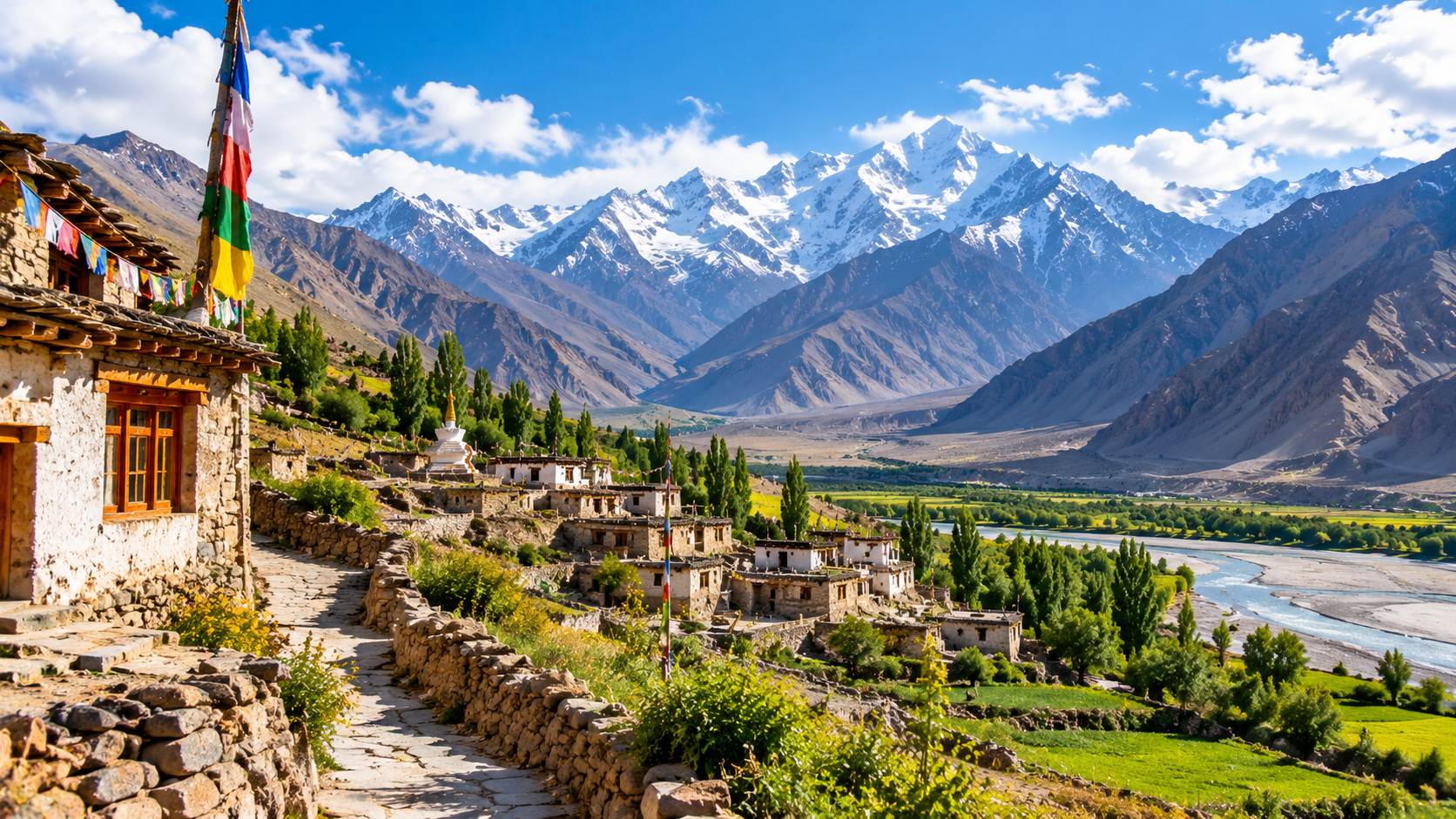
The remote Himalayan villages are very different from the hustle and bustle of big cities and popular tourist destinations. Visitors can visit the traditional houses, Buddhist monasteries, and stunning landscape, as well as local markets and communities that are deeply tied to the natural environment in these areas, like Ladakh.
The visits to these places involve more preparation than a normal holiday, however. The roads may be bad, cell phone reception may not be strong, and services can be minimal in out-of-town areas.
This guide explains how to choose the right season, prepare for high-altitude conditions, travel respectfully and plan a comfortable journey without losing the authenticity that makes these villages special.
1. Which Himalayan Villages Should You Consider Visiting?
The Indian Himalayas cover several regions, each with its own landscapes, traditions and travel conditions. Your ideal destination depends on whether you prefer cultural encounters, mountain walks, monasteries or quiet rural surroundings.
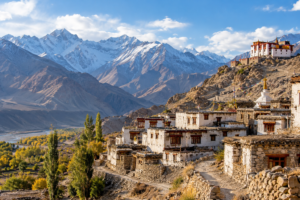
Ladakh: Traditional mountain communities
Ladakh is famous for its high altitude desert terrain, its Buddhist culture, the historic monasteries and villages that encircle the rugged mountains. It offers a good option for tourists who wish to explore the Himalayan culture and spectacular mountain scenery.
Explore the Ladakh destination guide.
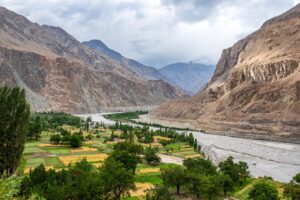
Nubra Valley: Rural life and mountain landscapes
Nubra is a blend of villages, cultivated fields, mountain passes and unique desert landscape. Follow local suggestions to choose places to visit that are accessible to you and give yourself ample time to get there, not only for the photos.
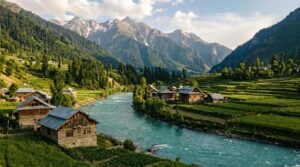
Kashmir: Green valleys and village traditions
In Kashmir, the green valleys, streams, orchards and unique architecture make for an alternate Himalayan experience. It is ideal for those seeking a cultural experience along with views of the countryside.
For more inspiration, browse the destinations across India and the tailor-made India itineraries available through Les Clés de l’Inde.
Tip: When you use pictures to decide on a village, don’t just pick from them. Before planning a trip, pay attention to its elevation, road access, accommodation availability, need for walking and seasonal availability.
2. When Is the Best Time to Visit Remote Himalayan Villages?
The best time depends on the region, elevation, road conditions and activities you have planned. A season that works well for one valley may not be suitable for another.
| Season | What to expect | What travellers should consider |
|---|---|---|
| Spring (March–May) |
Snowmelt, changing landscapes and variable weather | Some high roads may remain closed; conditions vary considerably by altitude. |
| Summer (June–August) |
Often favourable for accessible high-altitude areas, with longer days | Check monsoon impacts in the western Himalayas and road conditions in advance. |
| Autumn (September–October) |
Clearer skies and crisp mountain scenery in many areas | Temperatures can fall quickly, particularly at night. |
| Winter (November–February) |
Snowy landscapes and quieter settlements | Heavy snow, road closures and limited services can make travel difficult. |
Many times the summer months and early autumns are good seasons for travel on the roads of Ladakh but, unfortunately, this is not always the case. The correct dates are dependent on the route and prevailing conditions at the time.
Before booking, check:
- Roads and mountain passes that are open or closed.
- If guesthouses/homestay are open or closed.
- Forecast of the temperature for day and night.
- Community activities or events that could impact availability.
- Currently issued travel warnings and/or access restrictions.
If culture is your goal, give yourself more time to engage local markets, go to monasteries and sample the local way of life, instead of trying to pack too much into your time on the road!
3. What Should You Pack for a Trip to a Himalayan Village?
Packing for remote Himalayan travel means preparing for cold nights, strong sunlight, dusty roads and limited shopping facilities. Even during warmer months, temperatures can drop sharply after sunset.
Use this checklist before departure.
- Clothing: Thermal layers, fleece, a windproof and waterproof jacket, comfortable trousers, warm socks and sturdy walking shoes.
- Sun protection: Sunglasses, sunscreen, a hat and lip balm with sun protection.
- Health essentials: Personal prescriptions, a basic first-aid kit and any recommended altitude-related medication prescribed by your doctor.
- Travel documents: Identification, permits where applicable, accommodation details and copies of important documents.
- Electronics: A power bank, charging cables and an offline map downloaded before leaving areas with reliable internet.
- Money: Enough cash for smaller purchases and places where digital payments may not work.
- Reusable items: A water bottle and a small bag for carrying rubbish until you find an appropriate disposal point.
If you plan to hike, ask a local guide about the terrain, expected walking time and equipment required. Ordinary sightseeing shoes may not be suitable for steep, rocky trails.
4. How Do You Reach Remote Himalayan Villages?
Getting to a remote village may take several steps: an international trip, a domestic flight or train trip, a road trip and a possible walk from the closest accessible village.
Often, Leh is the initial point of departure for tourists in Ladakh. Travel outside of the main town could be up the mountains, through narrow streets, with long hours of driving and fluctuating weather.
Choosing the right transport
| Transport option | Best suited for | Important consideration |
|---|---|---|
| Private vehicle with a local driver | Flexible sightseeing and multi-village routes | Allow extra time for road delays and rest stops. |
| Shared taxi | Travellers comfortable with fixed routes | Departure times and luggage space may be limited. |
| Public transport | Budget-conscious travellers with flexible schedules | Services may be infrequent in remote areas. |
| Guided trekking | Villages reached primarily on foot | Check fitness requirements, guides, permits and emergency arrangements. |
For an easier journey, arrange your main transfers before travelling and confirm the final route with someone familiar with local conditions.
Keep a buffer day in your schedule. If a road closes or a vehicle is delayed, you will have more flexibility without missing a flight or an important connection.
For travellers who prefer coordinated transport and accommodation, Les Clés de l’Inde’s tailor-made travel service can be a useful starting point for discussing a customized itinerary.
What should you expect when staying with local families?
Village hospitality can be warm and personal, but customs differ from one community to another. Follow your host’s guidance on shoes, meals, religious spaces and household routines.
A few simple habits make a positive difference:
- Ask before entering private rooms or photographing family members.
- Dress respectfully, particularly around monasteries and places of worship.
- Avoid wasting water, electricity or food.
- Purchase local crafts directly from artisans where possible.
- Learn a few polite local greetings if you have time.
These small gestures help make your visit more considerate and meaningful.
5. How Can You Experience Local Culture Respectfully?
What makes the living culture of remote villages in the Himalayas so appealing is as much as the scenery as it is their living culture. Tibetan Buddhist tradition, monasteries, cultural festivals, regional food and traditional craftsmanship are all part of Ladakh’s cultural heritage. These are not only shows for visitors but in fact a part of the community life.
Enjoy the village culture responsibly by arranging activities in a way that does not interfere with the locals.
Ways to connect with local life include:
- Visiting monasteries during permitted public hours and following photography rules.
- Exploring village markets and purchasing locally made products.
- Trying regional dishes such as thukpa and momos where available.
- Asking a knowledgeable local guide to explain the history of a settlement.
- Learning about traditional building methods and agricultural practices.
- Attending a festival only after checking dates, access and appropriate visitor behaviour.
The Ladakh destination guide offers additional ideas for visiting the various monasteries, scenery, culture and outdoor activities of the area.
Another aspect of respect is knowing when to not take a picture. A religious service, a family get-together or someone’s private time should not automatically become a travel image.
For broader inspiration on cultural encounters across India, explore the travel experiences offered by Les Clés de l’Inde.
6. How Much Time Should You Spend in Remote Himalayan Villages?
There is no one best length of time. The time required will vary according to your route, your altitude, how you are getting there and the experiences you want to have.
This is just a sample of what it may look like if you’re planning on visiting Ladakh for the first time, and should not be interpreted as a rigid route.
| Travel period | Suggested focus |
| Days 1–2 | Arrive in Leh, rest and begin acclimatisation. |
| Days 3–4 | Explore Leh’s cultural sites and nearby settlements at a relaxed pace. |
| Days 5–7 | Visit accessible villages and landscapes, allowing time for road journeys. |
| Days 8–9 | Explore additional cultural sites or enjoy a gentle local walk, depending on conditions. |
| Day 10 | Return towards Leh or your departure point, with a buffer for delays. |
This plan is a sample plan only. Some routes will take longer to acclimatise, have permits and/or extra night stops and weather will dictate what is possible. Check with local sources before travelling.
Don’t drive a long distance down the mountain right before flying. Traveling long distances is more enjoyable if you have time to make adjustments instead of having to hurry to catch up from one place to another.
FAQs About Visiting Remote Himalayan Villages
1. What is the best month to visit remote Himalayan villages in India?
June to September can be suitable for many accessible areas of Ladakh, while September and early October may offer pleasant conditions in some locations. The ideal dates depend on the specific village, altitude, road access and weather. Always check local conditions before travelling.
2. Are remote Himalayan villages safe for international tourists?
Many villages welcome visitors, but safety depends on altitude, weather, transport, local conditions and preparation. Travel with reliable local support when needed, follow official advisories, acclimatise gradually and have a plan for medical emergencies.
3. Can you visit Himalayan villages without trekking?
Yes. Many settlements can be reached by road, and travellers can explore village streets, monasteries, markets and surrounding scenery without undertaking a demanding trek. Check road access and walking requirements for each destination.
4. What should you know about accommodation in remote Himalayan villages?
Facilities vary widely. There are some family-run guesthouses or homestays, as well as some more luxurious hotels in the vicinity. Check heating, food, hot water, electricity, connectivity & transport before booking.
5. How can you plan a personalized trip to Ladakh and its villages?
Start by deciding how much time you have, which cultural experiences interest you and how comfortable you are with high-altitude travel. Then build a realistic route with acclimatisation days, reliable transport and suitable accommodation. You can discuss your preferences through the Les Clés de l’Inde contact page.
Preparing for Your Himalayan Journey
Ready to explore Ladakh and India’s hidden cultural destinations? Discover Les Clés de l’Inde’s tailor-made itineraries and start planning a journey shaped around your interests, pace and comfort.