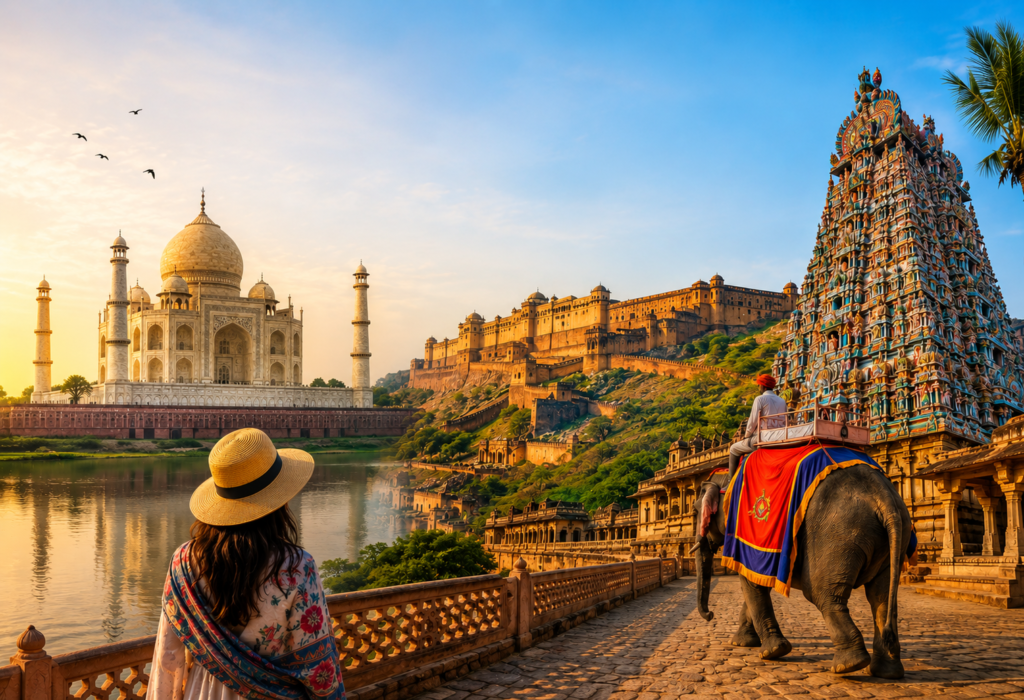
Travelers embark on an architecture tour of India for thousands of years of design history architecture tour of India . You shall see ancient underground stepwells designed for water conservation, intricate Solanki and Dravidian temples and Mughal monuments built in symmetry and large scale Rajput forts. With bespoke tours from Les Clés de L’Inde you can experience these masterworks accompanied by local experts with private chauffeured transfers.
What Will You Discover on an Indian Heritage Architecture Tour?
The stone has a story to tell about India’s heritage. The structure of the empires of the subcontinent has left behind a structural legacy which is engineering, spiritual symbolism, and art. These architectural monuments bear the story of innovation and power from the underground stepwells to the hilltop fortresses.
This guide aims to introduce you to the major design styles of North and West India, the architecture tours in India to see and how to organise a hassle free private tour package. Whether you are an architect geek or a traveler who loves architecture, this curated list will help you plan an unmemorable trip.
What Are the Key Architectural Styles Found in India?
The importance of the built environment in India is a fusion of local engineering prowess, religious beliefs and regional dynasties. Visiting the monuments would be much more enriching with the understanding of these primary architectural traditions.
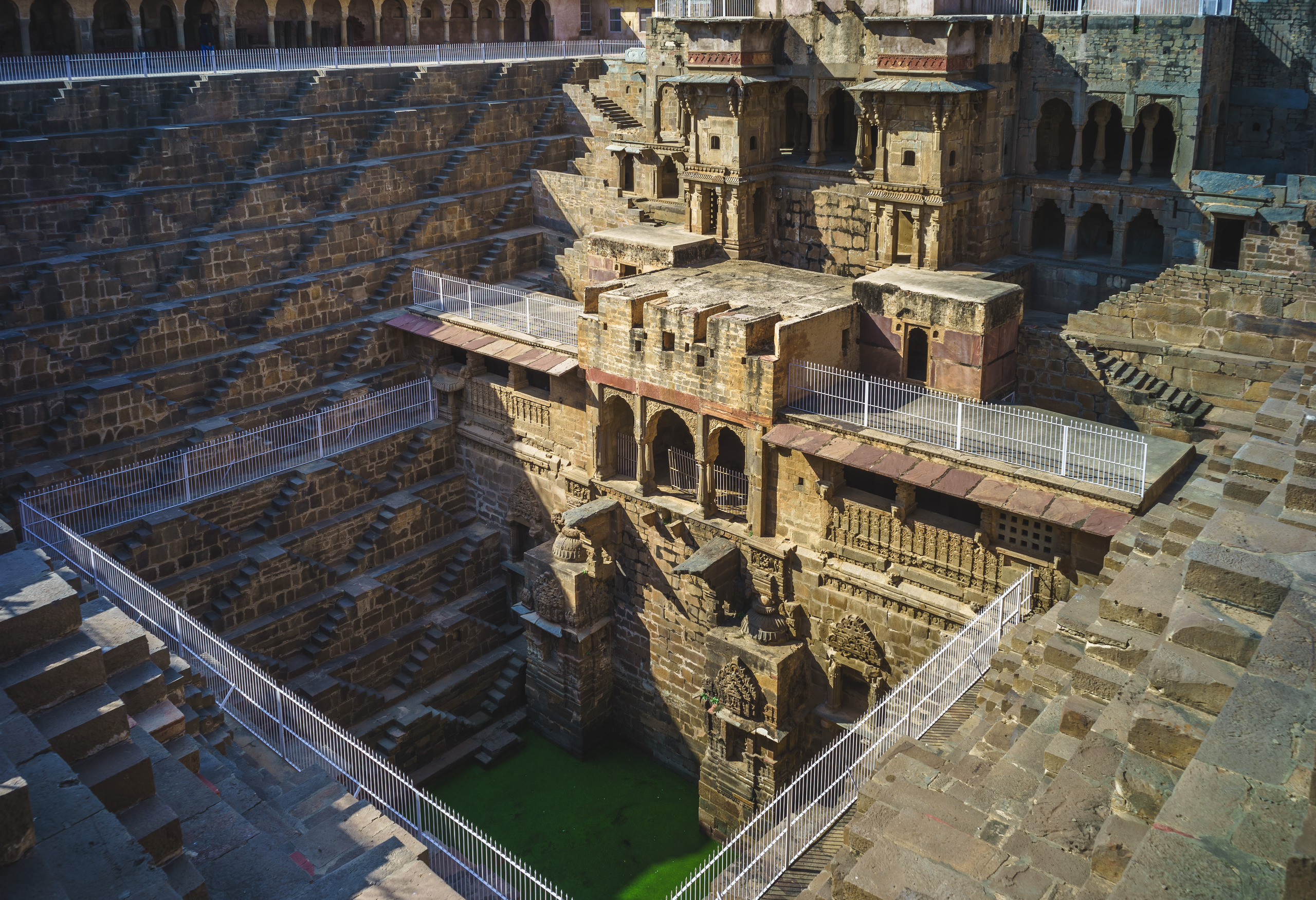
- Subterranean Stepwell Engineering (Baoris & Vavs): Stepwells are inbuilt amazing structures of arid land, especially in Rajasthan and Gujarat. They offered water facilities, places for community cooling, and elaborate stone carvings of deities.
- Mughal Islamic Symmetry: Popularized between the 16th and 18th centuries, Mughal architecture emphasizes perfect balance, bulbous domes, high arches, red sandstone, and white marble with delicate inlaid stonework (Pietra Dura).
- Rajput Forts and Palaces: Built for both defense and luxury, Rajput structures feature heavy bastions, open courtyards (chowks), intricate overhanging balconies (jharokhas), and carved lattice screens (jaalis).
|
Architectural Style |
Key Features |
Notable Example Locations |
|---|---|---|
|
Subterranean (Stepwells) |
Multi-tiered stairs, cool microclimates, geometric stone carving | Rani Ki Vav (Patan), Chand Baori (Abhaneri) |
| Mughal Empire | Charbagh garden layouts, symmetrical domes, Marble inlay | Humayun’s Tomb (Delhi), Taj Mahal (Agra) |
| Rajput Royal | Hilltop positions, decorative jharokhas, jaali screens | City Palace (Jaipur), Amber Fort (Jaipur) |
| Solanki Temple | Intricate friezes, stone-stepped tanks, equinox alignments | Sun Temple (Modhera, Gujarat) |
How to Experience Subterranean Stepwell Marvels
Stepwells are one of the most advanced constructions in ancient India. These structures are designed to catch rainwater throughout the seasons, and go several stories deep into the ground.
Highlights of Iconic Stepwell Monuments
- Rani ki Vav (Patan, Gujarat): Rani ki Vav is a renowned and iconic inverted temple in Patan, Gujarat that was inscribed as a UNESCO World Heritage Site. It has more than 500 large sculptures that are cut into the seven levels of stairways.
- Chand Baori (Abhaneri, Rajasthan): A stepwell with 3,500 steps, built in 13 steps, which is located on the way between Agra and Jaipur in the Rajasthan state of India.
- Adalaj Stepwell (Gandhinagar, Gujarat): Adalaj Stepwell is a 5 storey deep stepwell with Solanki Hindu carvings and Islamic geometric designs (Gandhinagar, Gujarat).
How Mughal Architecture Redefined Symmetry and Elegance
Persian influences were added to the Indian architecture by the Mughals, who brought along the tradition of stone crafting. The architecture of these monuments is in the form of a garden that is supposed to look like a paradise on earth.
Must-Visit Imperial Mughal Structures
- Humayun’s Tomb (Delhi): The first garden-tomb in the Indian subcontinent, which had been the source of design inspiration for the Taj Mahal.
- Jama Masjid & Old Delhi Citadel: Massive red sandstone structures demonstrating imperial scale and urban planning.
- The Taj Mahal (Agra): Built by Emperor Shah Jahan in white marble, showcasing central symmetry, floral stone inlay, and carved relief panels.
Exploring Rajput Forts and Opulent Imperial Palaces
Rajput forts and royal palaces draw attention for two jobs at once. They protect people and also serve as homes for rulers. Many of these sites sit on high ground. Others sit near water, like lakes. Craftsmen put care into walls, gates, and rooms. You can see that work in the details.
Key Highlights of Rajput Heritage Sites
- City Palace & Jantar Mantar (Jaipur): This area is the heart of the Pink City. It has inner courtyards that feel more private. Nearby stands Jantar Mantar, built in the 18th century. It is a stone setup used to study the sky.
- Amber Fort (Jaipur): This fort looks out over Maota Lake. It is known for the mirror tiled hall called Sheesh Mahal. It also has marble columns that catch the light.
- Udaipur City Palace: This is the biggest palace set in Rajasthan. It was built from granite and marble. Lake Pichola sits next to it, shaping the setting around the complex.
How to Plan a Private Architecture Tour in India
Planning a heritage journey requires balancing travel logistics, regional climates, and sight duration. Private itineraries ensure comfortable transitions between destinations.
Recommended Planning Checklist
- Select Best Travel Dates: Aim for October through March. That timing usually brings comfortable weather for sights in North and West India.
- Choose Your Circuit: Choose a North India loop first. Delhi, Agra, and Jaipur are the core stops. You can also add Gujarat if you want to see more stepwells.
- Secure Expert Guides: Go with private travel experts. They can line up licensed guides. This matters for the real context of the history.
- Book Heritage Stays: Look for restored royal homes. Also check boutique heritage hotels. These places give you a feel for life in the past.
- Arrange Private Transportation: Set up your rides. Use a private car with a chauffeur. It helps with easy travel between nearby sites.
If you want a plan that fits your pace, check Les Clés de L’Inde . They put together tailor-made trips based on how you like to travel.
Frequently Asked Questions
What is the best time of year to take an architecture tour of India?
Many travelers pick October through March. In that stretch, Delhi, Rajasthan, and Gujarat usually stay mild. The weather is easier for long walks at outdoor sites.
How many days are needed to see India’s top architectural sites?
For a first trip focused on North India, plan about 8 to 11 days. This usually means Delhi, Agra, and Jaipur. If you also want stepwells in Gujarat or temples in the south, the trip often grows to 14 to 22 days.
What is the architectural difference between a Baori and a Vav?
They both point to underground stepwells. Baori, or Baoli, is the word you will hear in Rajasthan and Delhi. Vav is more common in Gujarat. In practice, both are built for water storage and also act as a quiet shelter.
Why should I choose a custom private tour over a group tour for architecture?
With a private tour, you can move at your own speed and avoid the crowd pressure. You get close help from a guide. You can also reach private areas such as palace quarters, and you travel in a driver car just for your group.
Key Takeaways and What to Do Next
India offers an unparalleled range of architectural highlights spanning subterranean stepwells, symmetrical Mughal tombs, and defensive Rajput fortresses. A thoughtfully designed route combining Delhi, Agra, Abhaneri, and Jaipur delivers a comprehensive look at historic building styles within a single journey. Choosing private travel arrangements with local specialists ensures seamless transfers, exclusive access, and personalized heritage stays.
Ready to experience India’s architectural monuments in person? Connect with the team at Les Clés de L’Inde India travel Experiences to start designing your custom private itinerary.