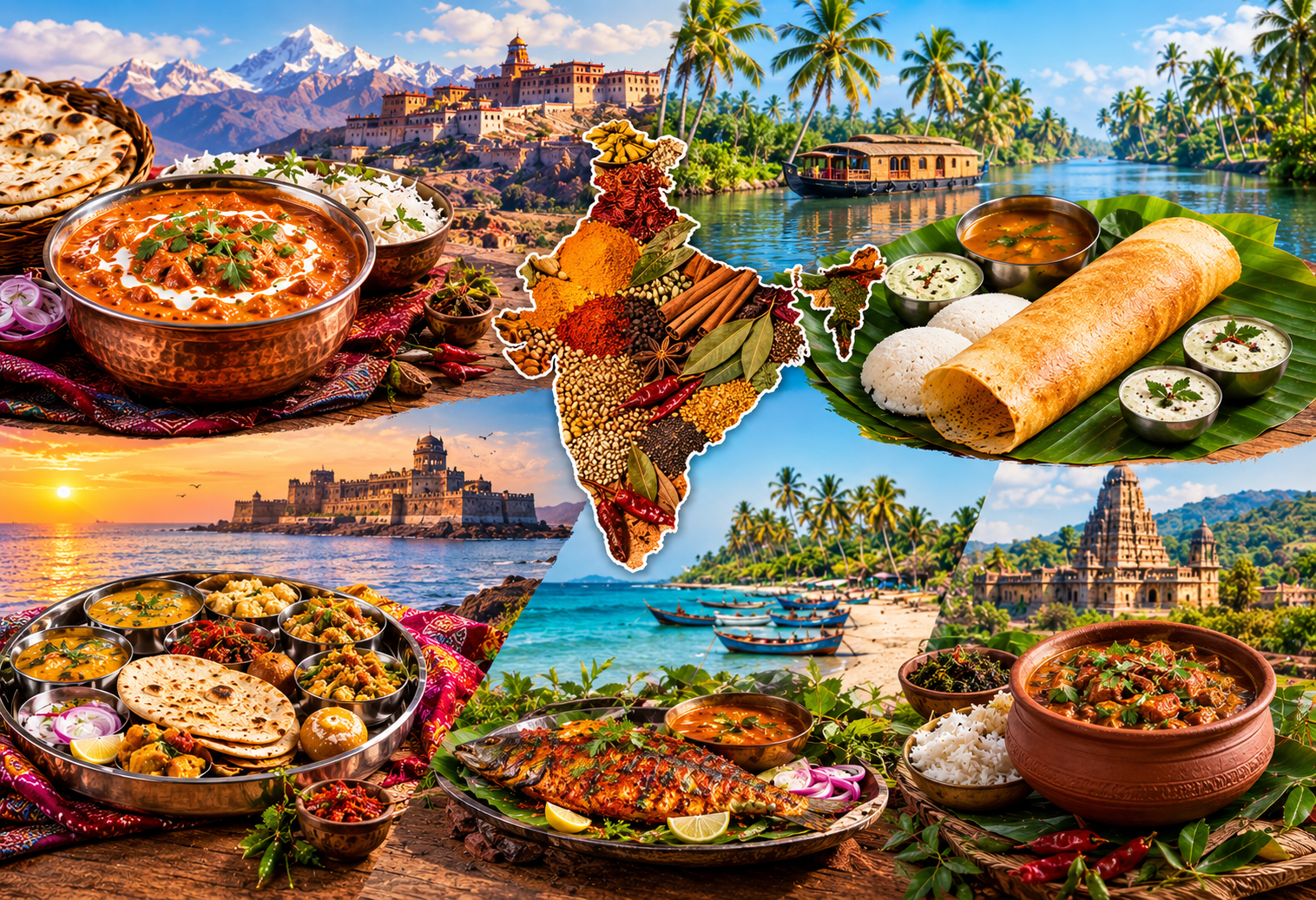
Indian cooking varies greatly across different geographical regions because of various local climates, history and culture. North Indian dishes use a lot of dairy, wheat and thick, creamy gravies whereas South Indian dishes use rice, coconut and spicy tamarindy gravies. Coastal areas are more inclined towards fresh seafood while the west and central regions provide unique vegetarian thalis and unique meat dishes influenced by local trade and agricultural practices.
What Can You Expect to Discover About Regional Indian Flavors?
Food from India is not any one flavour – be warned. The recipes change so much in this huge country that you’re in New Zealand, while they change every couple of hundred kilometers in other parts of the country.
You will learn about the unique flavours of India’s regions, which are influenced by its local ingredients, history and weather.
What Drives the Diversity of Regional Indian Food?
Indian cuisine is as colorful and as diverse as the country itself. The head chefs of what’s on the plate are geography and climate.
- Climate and Crops: Staple grains vary according to the climate and crops, with wheat being grown in northern plains (colder) and rice being grown in the tropical (southern) river deltas.
- Historical Legacies: Local cooking traditions have been influenced by centuries of trade, royal court traditions, and foreign influences.
- Cultural Traditions: Local lifestyle choices and religious practices heavily influence whether a region leans toward vegetarian feasts or meat specialties.
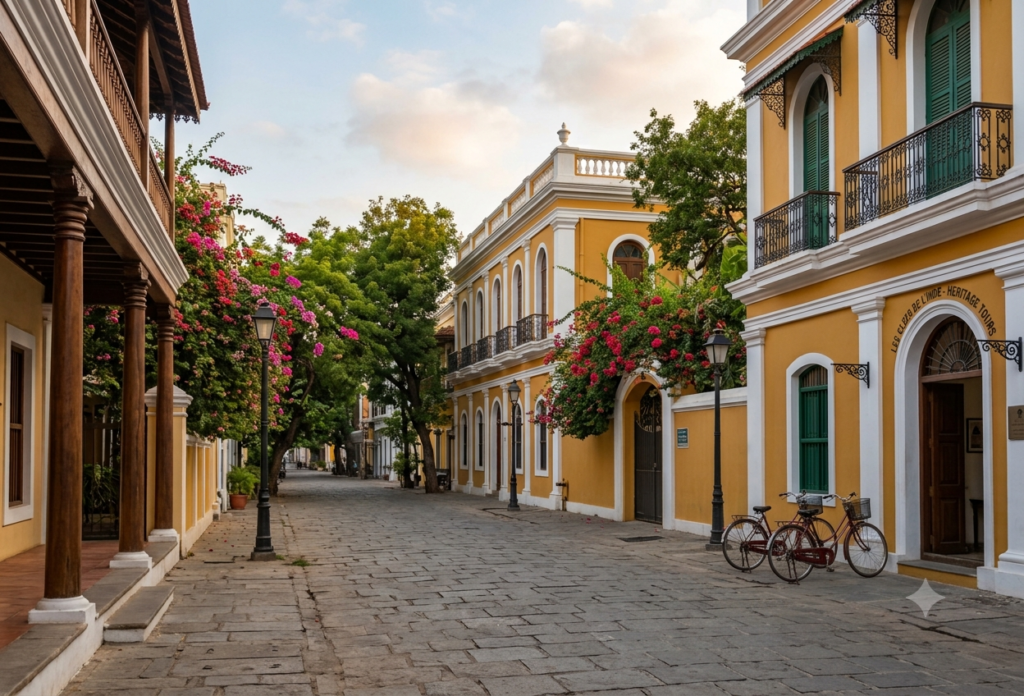
India’s travelling philosophy is explored further in the Les Clés de l’Inde which brings together all of these cultural layers with local heritage.
How Does Northern Indian Cuisine Differ From the South?
When comparing North and South Indian food, the differences are striking. A quick look highlights how climate changes the core ingredients.
| Culinary Feature | North Indian Cuisine | South Indian Cuisine |
|---|---|---|
| Primary Staple | Wheat (roti, paratha, naan) | Rice and lentils (dosa, idli, appam) |
| Fats & Dairy | Ghee, cream, paneer, and yogurt | Coconut oil, sesame oil, and fresh coconut |
| Flavor Profiles | Rich, aromatic, mildly spiced gravies | Tangy, sharp, hot, using tamarind and curry leaves |
| Famous Dishes | Butter chicken, Rogan Josh, Dal Makhani | Masala dosa, Chettinad curries, Appam with stew |
What Are the Flavors of Western and Coastal India?
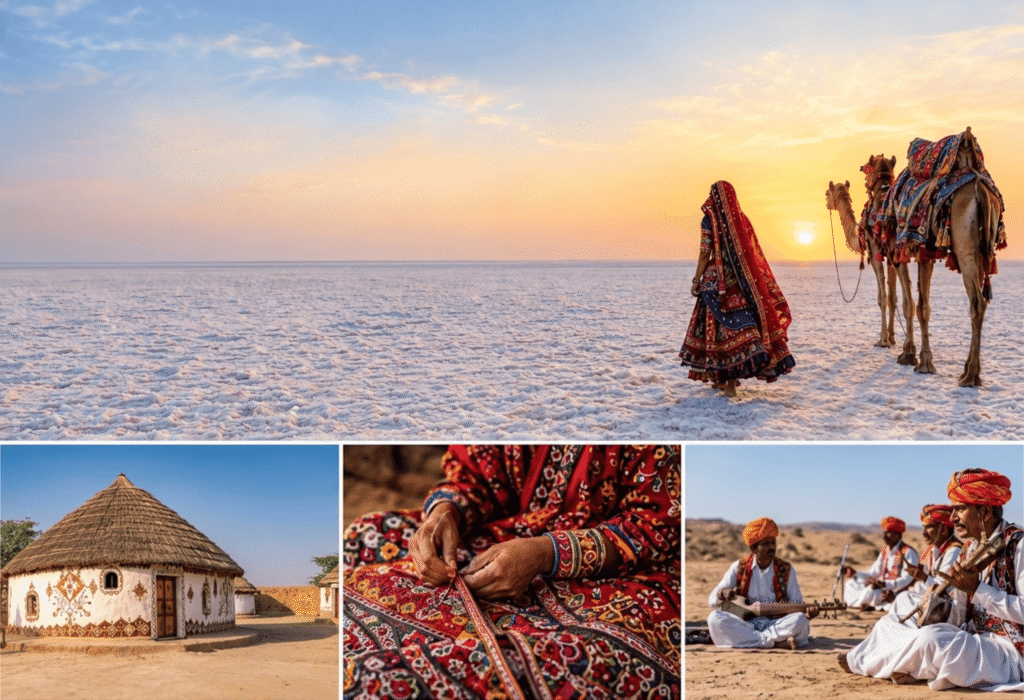
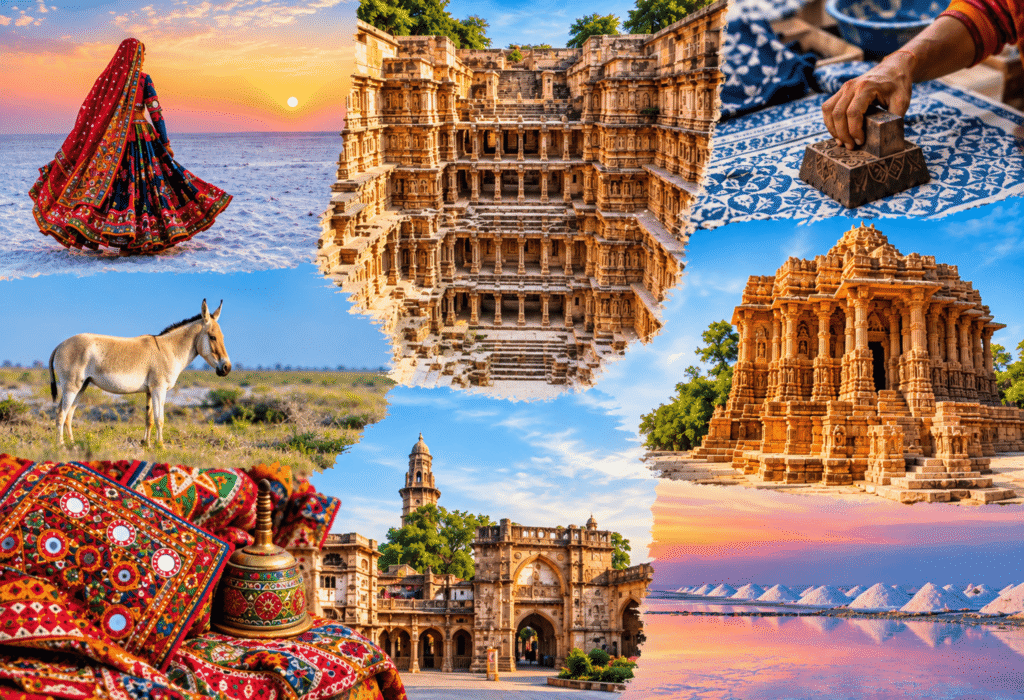
Moving away from the interior plains, coastal and western zones bring entirely new dimensions to the table. From the arid landscapes of Gujarat to the palm-fringed shores of Kerala, local ecosystems dictate the menu.
- Gujarat: Celebrates an intricate vegetarian thali tradition that perfectly balances sweet, salty, and spicy notes in every single meal.
- Goa & Coastal Karnataka: Blends Portuguese heritage with local Konkan ingredients, resulting in vinegar-laced vindaloos and spicy fish curries.
- Kerala: Known as “God’s Own Country,” featuring fragrant seafood, appams, and dishes cooked generously with fresh coconut milk.
How Can Travelers Experience Regional Indian Food Firsthand?
Reading about flavors is one thing, but tasting them across their native landscapes is an unforgettable adventure. Embarking on specialized culinary tours in India allows travelers to look beyond standard menus and experience authentic dining traditions up close.
- Street Food Walks: Explore bustling historic bazaars to sample local chaats and snacks.
- Cooking Classes: Learn authentic spice blending and traditional techniques directly from local home cooks.
- Family Meal Experiences: Share home-cooked meals with local families to understand cultural dining customs intimately.
For travelers looking to explore the full suite of available vacation types, you can browse through curated India travel experiences themes via the Les Clés de l’Inde. If your palate leans directly toward tasting authentic native traditions, you can dive deeper into dedicated food trails on the Les Clés de l’Inde Cuisine Experiences.
Frequently Asked Questions
- Is all Indian food extremely spicy?
No. While chili is common, Indian cooking focuses heavily on complex spice blends (masalas) that provide aroma, warmth, and depth rather than pure heat. Many dishes are mild or sweet.
- Why is vegetarianism so prominent in India?
From a historical, philosophical and religious perspective, vegetarianism is embedded in people’s culture and traditions in many parts of the world, resulting in some of the most creative and innovative vegetarian dishes in the world.
- What is the main difference between North and South Indian breakfasts?
North Indian breakfasts often feature stuffed parathas with yogurt or butter, whereas South Indian breakfasts traditionally consist of fermented rice and lentil cakes like idli and dosa.
- Can I customize a tour in India specifically around food?
Yes. Tailor-made travel planners like Les Clés de l’Inde specialize in crafting personalized itineraries that incorporate private cooking sessions, food trails, and regional dining experiences.
Key Takeaways for Food Lovers
Indian cuisine is not a single entity, but a mosaic of regional identities shaped by local soils, histories, and climates. Whether you prefer the rich, dairy-based gravies of the north or the coconut-infused seafood of the tropical south, exploring these flavors offers a direct window into the heart of India’s cultural heritage.