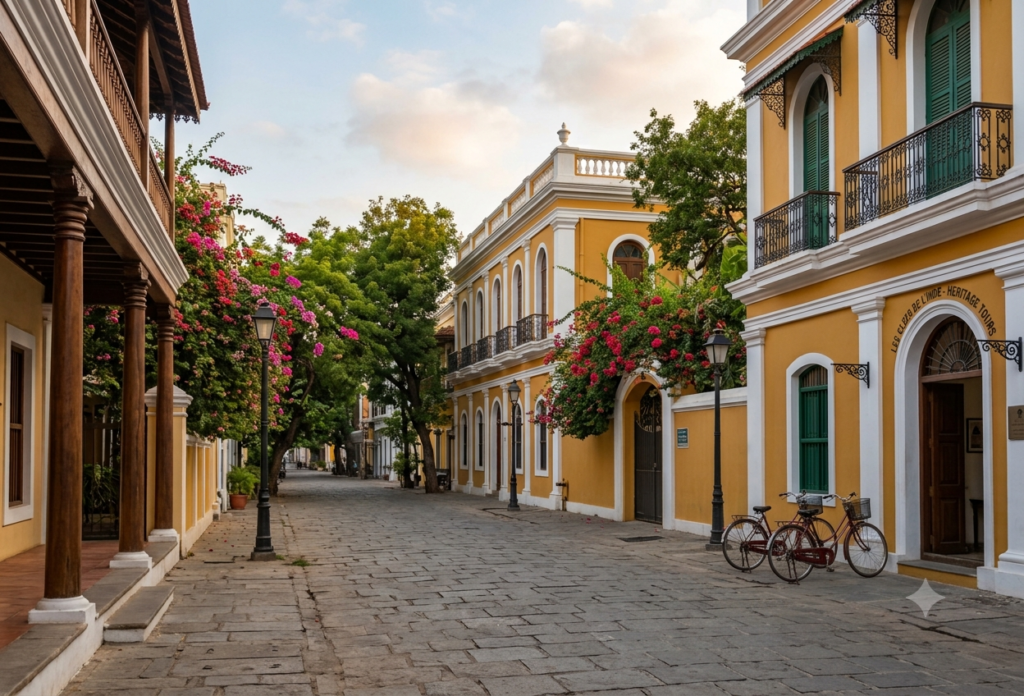
The true essence of living heritage can be best felt if one avoids the conventional monuments and interacts with the local traditions, craftsmen, rituals and festivities. Instead of viewing from afar, travellers experience centuries-old crafts at local workshops, evening ceremonies at the temple, traditional dishes and recipes from the region, and a display of classical dance. Bespoke tour operators such as Les Clés de L’Inde offer truly unique experiences in which one connects with the local community masters to enjoy truly authentic cultural tourism in every region of India, without the condescension of an outsider.
What to Expect From Your Cultural Journey Across India
India is much more than an open-air museum of old stone monuments and royal palaces. It is a living, dynamic collage of vibrant living traditions where the customs, spiritual rituals and artisanal skills of 5,000 years are still alive today. The block-printing villages of Rajasthan, the Kathakali performances of Kerala, each point on the subcontinent is a window into the creativity of man.
You will learn what it takes to plan a truly authentic cultural experience in India in this guide. We will discuss the essential elements of India’s living heritage such as art forms, rituals and sacred practices, regional cuisines, and colorful festivals and will provide concrete ideas for engaging with local communities in a meaningful way.
What Is “Living Heritage” and Why Does It Matter for Travelers?
Traditional tourism often focuses on historical monuments, architecture, and static museum exhibits. Living heritage, by contrast, refers to the non-physical traditions, knowledge, skills, and practices passed down through generations—often classified by UNESCO as Intangible Cultural Heritage.
When you engage with living heritage, you support local craftspeople, preserve ancient art forms, and build authentic connections with host communities. Rather than taking photos of empty landmarks, you sit in a master weaver’s workshop, learn why a specific spice blend is ground at dawn, or listen to folk musicians sing stories composed centuries ago.
| Aspect | Traditional Sightseeing | Living Heritage Travel |
|---|---|---|
| Primary Focus | Static monuments and historical architecture | Active customs, living traditions, and people |
| Traveler Role | Passive observer | Active participant and learner |
| Community Impact | Concentrated in high-volume tourism hubs | Direct financial support to rural artisans & local guides |
| Authenticity | Staged or crowded commercial spots | Unscripted, regional, and culturally respectful |
4 Essential Cultural Experiences That Define India’s Living Heritage
1. Master Artisan Workshops and Craft Villages
Crafts are one of the oldest art forms in continuous practice in the world in India. The opportunity to see the intricate techniques that take decades to master is possible with visits to craft hubs.
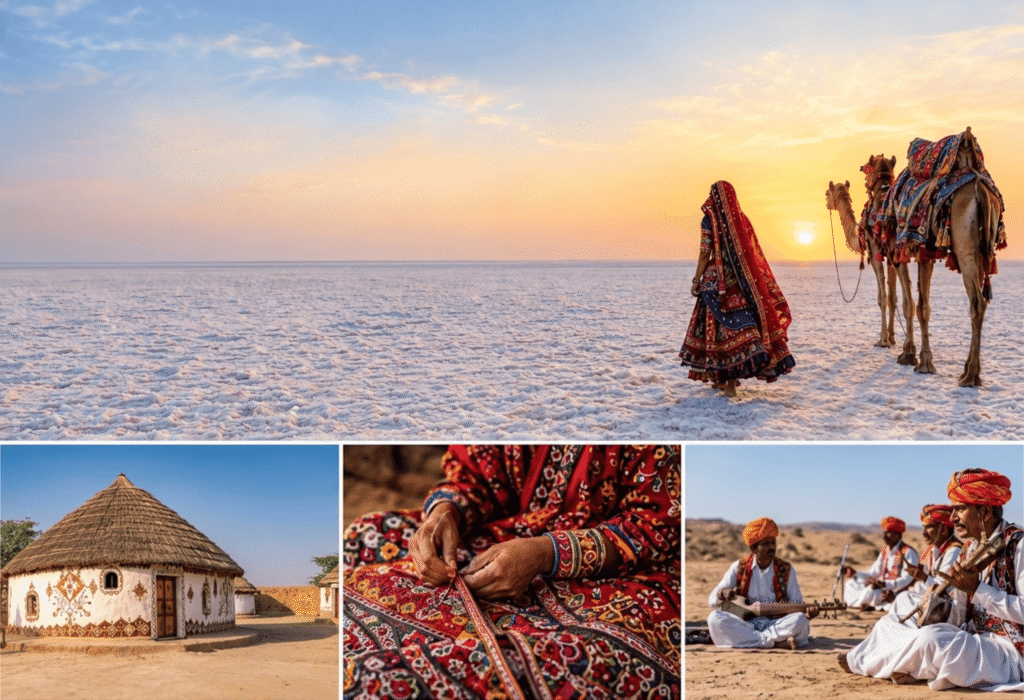
- Ajrakh Block Printing (Gujarat): In the village Dhamadka in Kutch people do Ajrakh Block Printing using hand carved wooden blocks and natural vegetable dyes. Design and create complex geometric fabrics using a 16-step natural dyeing process. These traditional arts can be experienced on a customized Gujarat Cultural Tour.
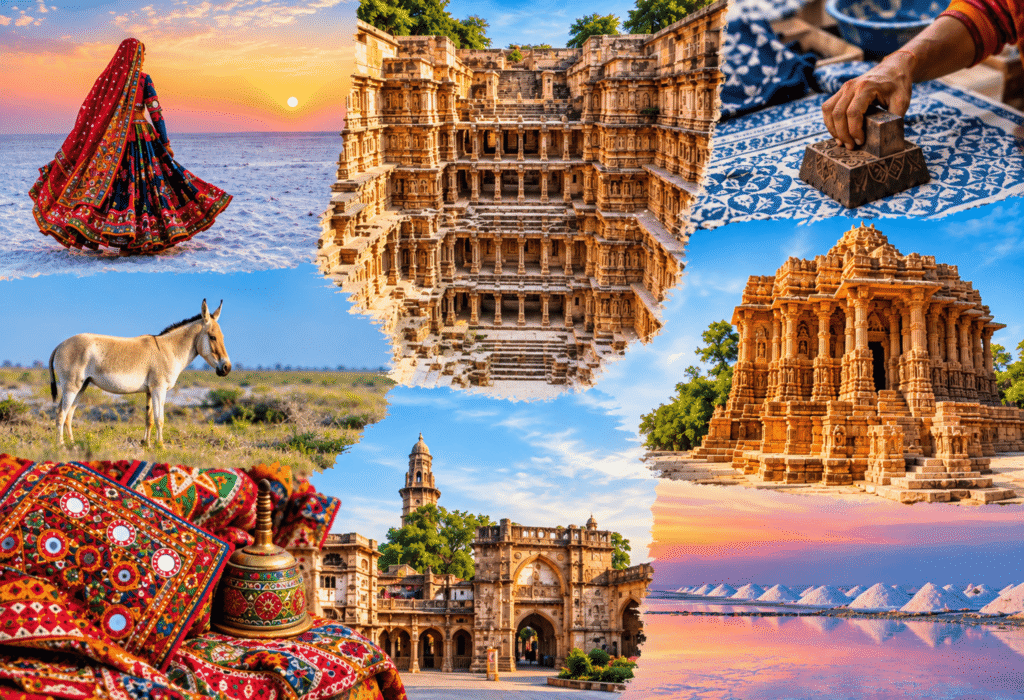
- Patan Patola Silk Weaving (Gujarat): Witness international technique of double-Ikat where threads are hand dyed before weaving and it takes about 6 months to finish a sari.
- Bidriware Metalwork (Karnataka): Observe craftspeople inlaying silver wires into dark zinc-copper alloys to create exquisite decorative items.
2. Sacred Ceremonies and Spiritual Traditions
Indian spirituality is not limited to written booklets, but is a way of living, playing and worshiping through fire rituals, communal offerings and music.
- Ganga Aarti in Varanasi & Rishikesh: It is a special Aarti ceremony, organized by priests in a synchronized manner that is synchronized with the dusk of the holy Ganges River, with the processions involving the use of lamp rituals, chants, brass cymbals and the floating lamp made of flower.
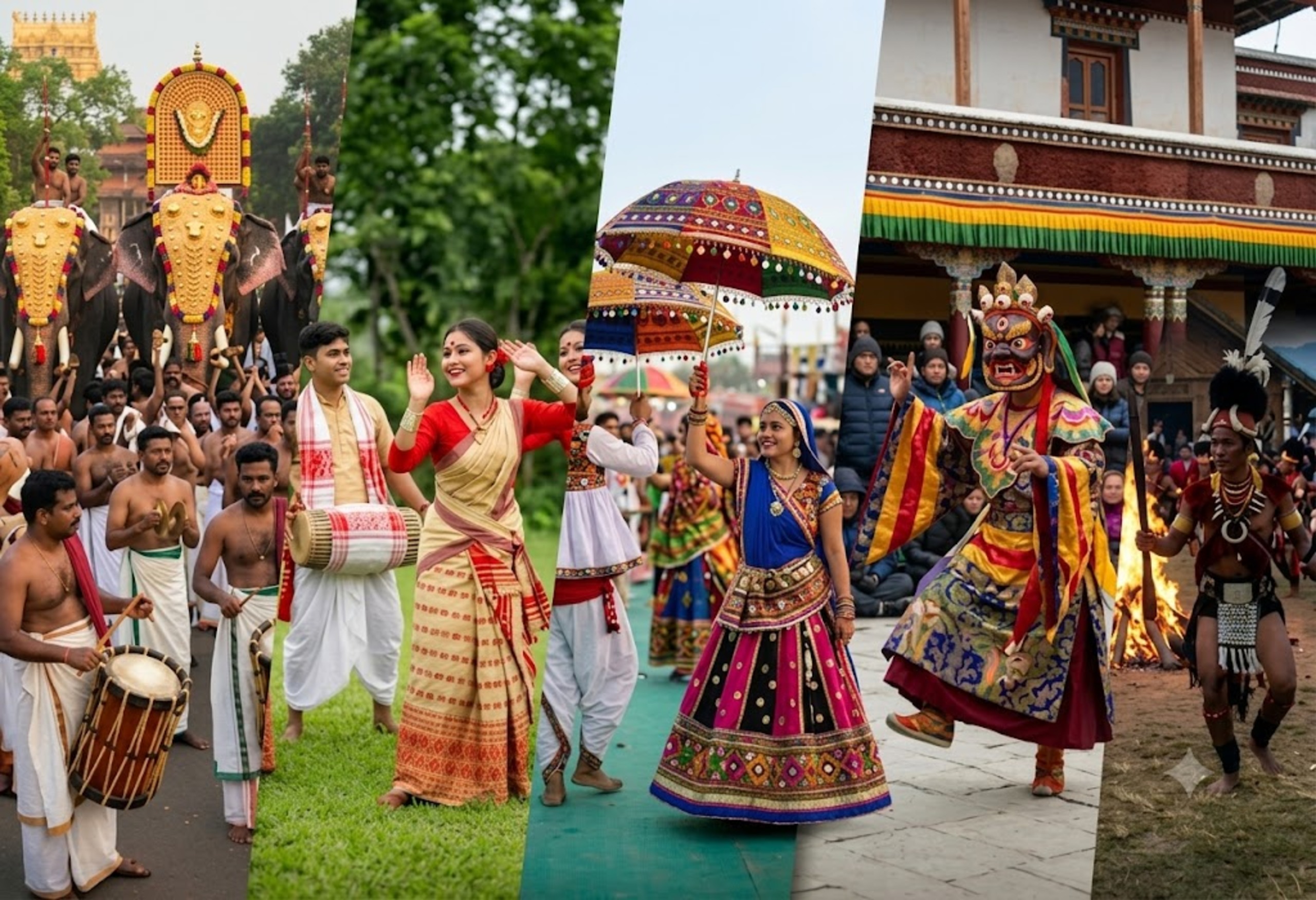
- Theyyam Ritual Performing Arts (Kerala): In northern Kerala, shamans enter deep trance states to embody ancient deities through elaborate face painting, towering headpieces, and rhythmic drumming.
- Sufi Qawwali at Nizamuddin Dargah (Delhi): Experience devotional vocal music where sacred poetry is sung to promote spiritual unity and harmony.
3. Regional Culinary Heritage and Heirloom Recipes
Within just a few hundred kilometres Indian cuisine changes so significantly as a result of microclimates, the history of trade and the Ayurvedic principle of the food.
- Parsi Feast (Mumbai & Gujarat): Indulge in the taste of unique sweet and sour items such as Sali Boti and Dhansak, which are Persian food infused with Gujarati spices.
- Kashmiri Wazwan (Srinagar): A traditional 36 course royal feast which is prepared overnight by the traditional Wazas available in Srinagar.
- Traditional Sadya (Kerala): Enjoy a vegetable feast on banana leaves with more than 24 different items prepared each season and flavoured with curry leaves and coconut.
4. Fairs, Festivals, and Seasonal Celebrations
Festivals in India kinda pull whole regions together, in a happy open-air celebration, and it gives travelers this really unmatched peek into everyday local life. If you want to find what’s next, check the upcoming happenings on the Fairs & Festivals Guide.
- Spring Celebrations (March–April): Catch Holi’s loud, bright color welcome. Also, see Punjab’s Hola Mohalla, with its martial arts displays and poetry readings, it’s all very lively.
- Monsoon Traditions (July–September): Go witness Rajasthan’s Teej, a festival that honors greenery and also the season itself. Then there’s Kerala’s Snake Boat Races, happening out on the backwaters, it feels almost unreal.
- Autumn & Winter Gatherings (October–February): Make your plans around Diwali, the grand festival of lights. Also try the Pushkar Camel Fair in Rajasthan, and don’t miss Nagaland’s Hornbill Festival, which celebrates tribal culture in such a vibrant way.
How to Plan an Authentic and Respectful Cultural Itinerary
Creating a meaningful cultural trip requires moving at a thoughtful pace rather than rushing through long checklists. Here is a practical step-by-step checklist to help you structure your itinerary:
- Choose 2–3 Key Regions: Avoid trying to cover the whole country in one short trip. Focus on one or two distinct cultural zones (such as Rajasthan and Gujarat, or Kerala and Tamil Nadu).
- Schedule Time for Rural Stays: Spend at least two nights in heritage homestays or heritage village lodges where you can interact directly with host families.
- Hire Local Specialist Guides: Choose guides who belong to the regional community or specific art lineage for deeper context and respectful introductions.
- Align with Seasonal Festivals: Check regional calendars so you can align your stay with local fairs like the Pushkar Camel Fair or Ladakh’s Hemis Monastery Festival.
- Book Through Bespoke Experts: Work with local travel curators like Les Clés de L’Inde who design personalized, ethical journeys tailored to your interests.
Real Example: A 7-Day Living Heritage Journey in Western India
To help you kinda picture what a real itinerary feels like in practice, here’s a sample 7 day cultural route across Gujarat and Rajasthan, sort of how it might actually go:
- Day 1–2 (Ahmedabad): Go around India’s first UNESCO World Heritage City. Wander through the old Pol neighborhoods, pop into textile museums, and book a private wood block printing masterclass, if you like that sort of thing.
- Day 3–4 (Kutch Region): Plan to stay close to artisan villages. Spend time with the lac turners (Rogue-art style), see Ajrakh block printers up close, and meet copper bell craftspeople in their home workshops, not just showrooms.
- Day 5–6 (Udaipur & Dungarpur): Cross into Rajasthan to visit tribal art centers, witness Miniature Painting artists at work, and enjoy a private cooking demonstration with a royal family.
- Day 7 (Jaipur): Visit blue pottery studios, attend a morning temple prayer ceremony, and explore local spice markets with a resident culinary expert.
FAQs About Cultural Travel in India
What is the best time of year to experience cultural festivals in India?
The peak season for cultural festivals runs from October through March. During these cooler months, major celebrations like Diwali, Dussehra, the Pushkar Fair, and the Hornbill Festival take place across different states.
How can travelers ensure their cultural experiences are ethical and respectful?
Always seek permission before photographing people or sacred rituals, dress modestly when entering religious sites, pay fair prices directly to artisans, and work with ethical tour companies that respect community boundaries.
Do I need to book cultural workshops in advance?
Yes, master craft workshops, private culinary sessions, and meetings with local artists should be arranged in advance through specialists like Les Clés de L’Inde to ensure the artisans are available and compensated fairly for their time.
Is cultural travel in India suitable for first-time visitors?
Absolutely. Experiencing India through structured cultural tours provides meaningful context, safe and comfortable navigation, and warm local interactions that make a first visit far more rewarding.
How to Start Your Authentic Indian Cultural Journey
Exploring India’s living heritage can feel like an unforgettable immersion into ancient wisdom, vibrant artistry, and this really genuine human warmth, all together somehow. When you start to lean into slow travel , support local craft masters , and actually step into authentic traditions, your journey turns into a meaningful exchange that helps keep these heritage art forms alive.
So, are you ready to curate your own tailored journey? Reach out to the cultural travel specialists at Les Clés de L’Inde and let’s shape your authentic Indian experience today.